
Understanding GST – A Simple Guide for Businesses
Introduction
Goods and Services Tax (GST) has transformed the way businesses handle taxation. Introduced to streamline indirect taxes, GST eliminates cascading tax effects, making compliance easier. But what does it mean for businesses, and how can they benefit from it? Let’s break it down.
What is GST?
GST is a consumption-based tax applied to goods and services at every stage of the supply chain. It replaces multiple indirect taxes like VAT, service tax, and excise duty.
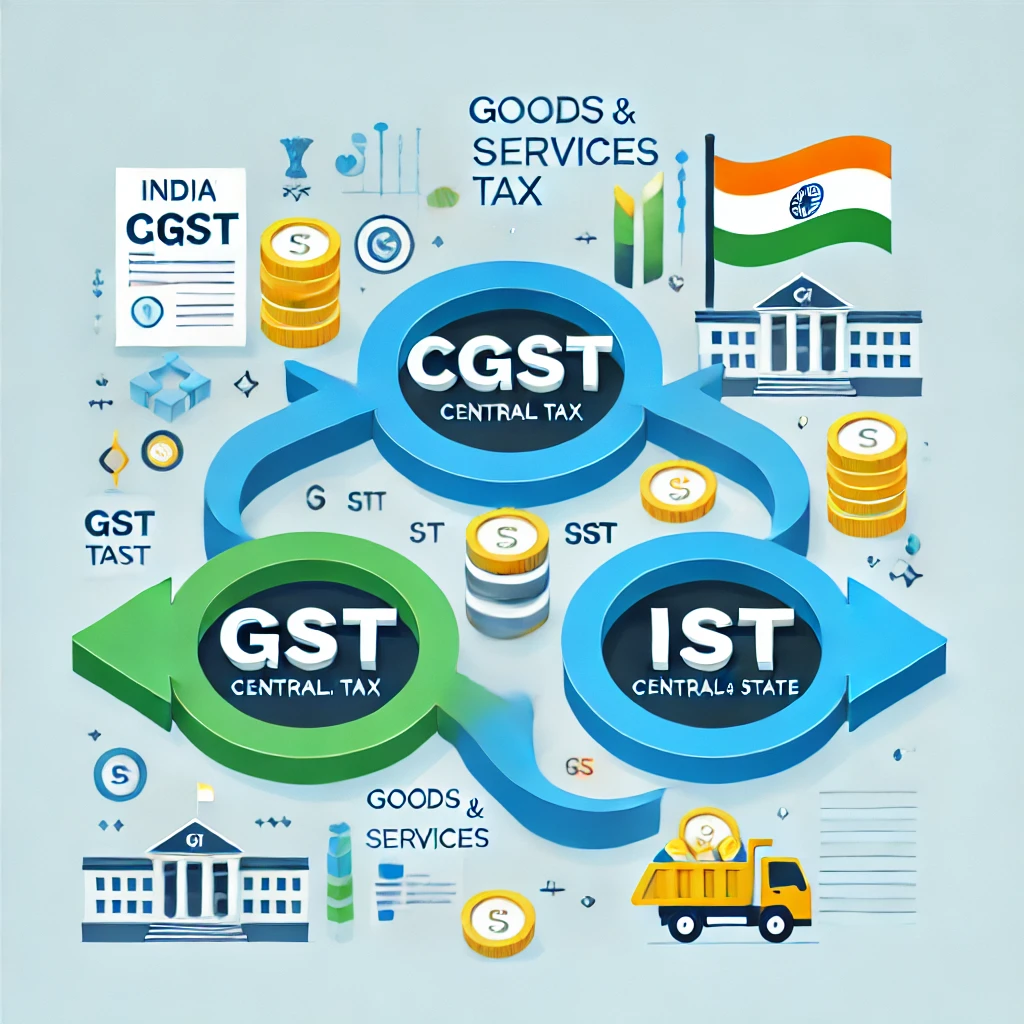
Types of GST in India
CGST (Central GST) – Goes to the central government.
SGST (State GST) – Goes to the state government.
IGST (Integrated GST) – Applied on interstate transactions.
Why GST Matters for Businesses?
Eliminates double taxation – No more multiple layers of tax on the same product.
Boosts compliance – Uniform tax system across states.
Encourages transparency – Businesses can claim input tax credit, reducing costs.
GST Registration: Who Needs It?
If your business turnover exceeds ₹40 lakh (₹20 lakh for service providers), GST registration is mandatory. For special category states, the threshold is ₹10 lakh.
How to Register for GST?
Visit the GST portal (www.gst.gov.in).
Fill in business details and upload documents.
Receive an ARN (Application Reference Number).
Once verified, get your GSTIN (GST Identification Number).
Conclusion
GST simplifies taxation but requires businesses to stay compliant. If you run a business, ensure you register for GST and file returns on time to avoid penalties